
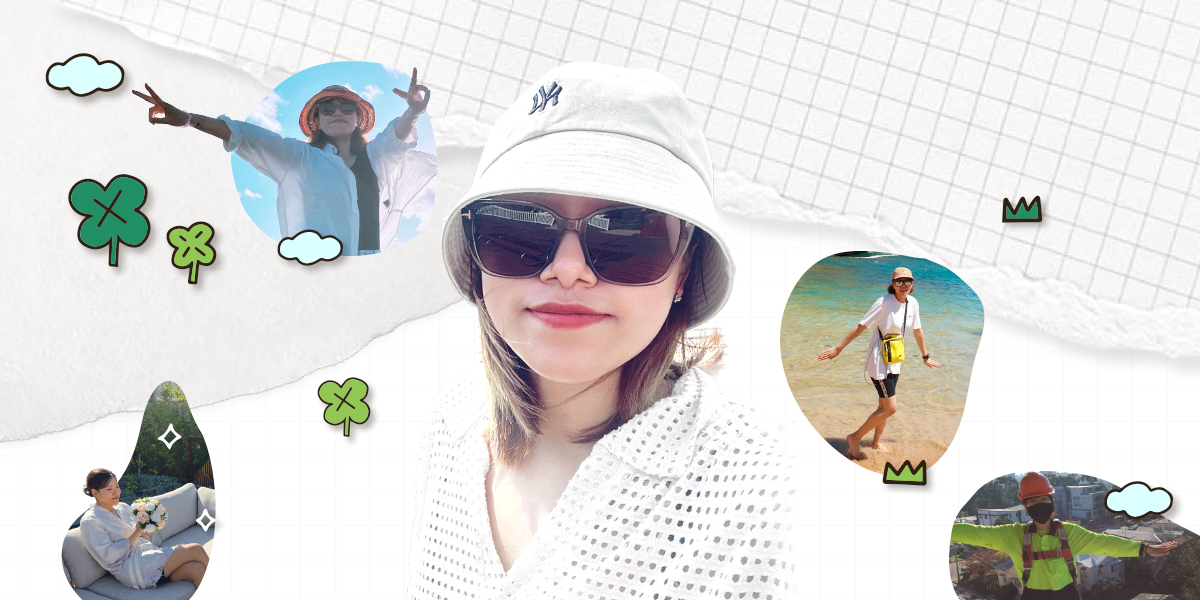
An Interview with Eun-young Kim
Q. What brought you to Australia? I was 29 (Korean age) at the time. I came here on a Working Holiday visa simply because I wanted to experience living abroad. My original plan was to stay for just one year and then head back. Back then, I really thought it would be exactly one year… but somehow, I’ve been here for nine years now.
Q. Why did a one-year plan turn into nine years? That first year went by way too fast. Time just flew, and I felt like, “Wait, is it over already?” So, I decided to apply for a second visa. From that point on, I started feeling like this lifestyle really suited me. Life felt much simpler here than in Korea; it felt like a “reset.” I used to always carry a sense of anxiety, but those feelings diminished significantly here.
Q. What kind of work did you do back in Korea? I’ve tried so many different things—probably around 30 different jobs. I majored in video design, so I worked in film production, at concert venues, Asian Games events, and even in clothing stores at department stores. I also learned Photoshop and worked in an office. Looking back, it was a period where I just wanted to experience everything I could.
Q. What kind of work have you done in Australia? I started doing tile grouting and did that for about seven years. At first, I thought, “I can do this,” but my mind changed by the second day. Since you have to work on your knees constantly in awkward positions, my body started breaking down. Eventually, my back got so bad that I reached a point where I was limping.
Q. Why did you choose that specific job? Initially, the barrier to entry was low, and since I was young, I had a strong desire to save up a lot of money first. So, I chose a job with a slightly higher hourly wage. In the beginning, I earned about $150–$170 a day, and after the pandemic, it went up to $200–$250. There was a time when I worked incredibly hard without a single day off. By being consistent, more and more people started looking for me. It was physically taxing, but there was a sense of being recognized for my work.
Q. When was the most difficult time for you? It was when I was working seven days a week. I worked in the mornings, in the evenings, and all through the weekends. I got so exhausted that I started questioning, “Do I really have to go this far?” I felt like I was physically and mentally depleted at that time.
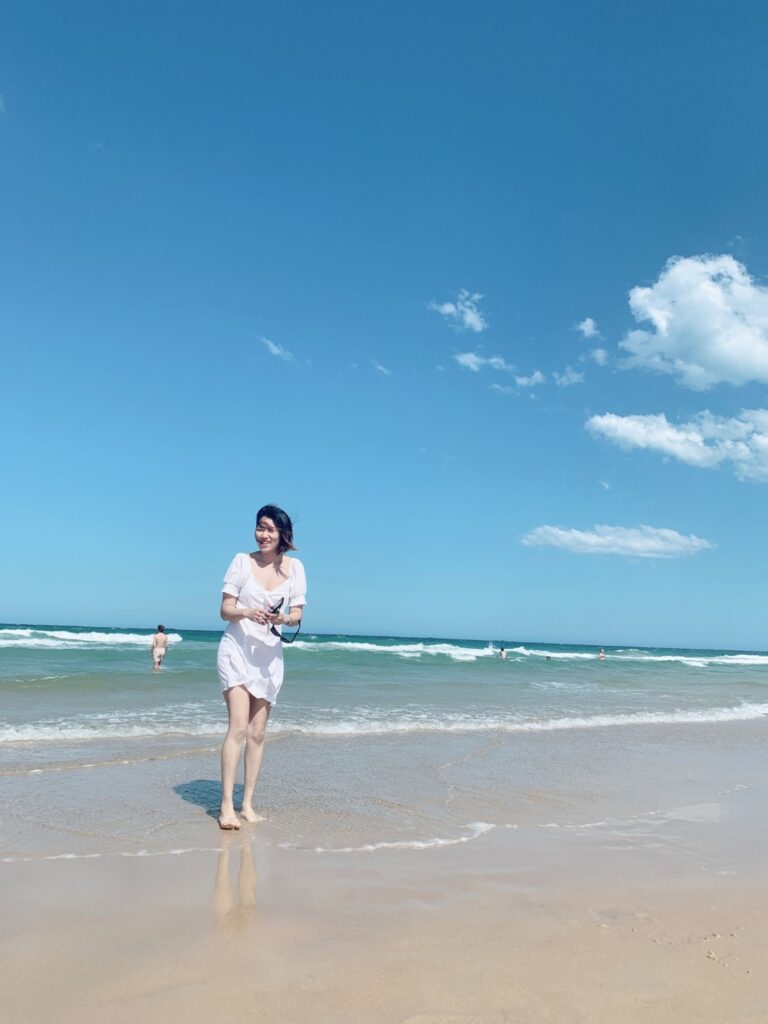
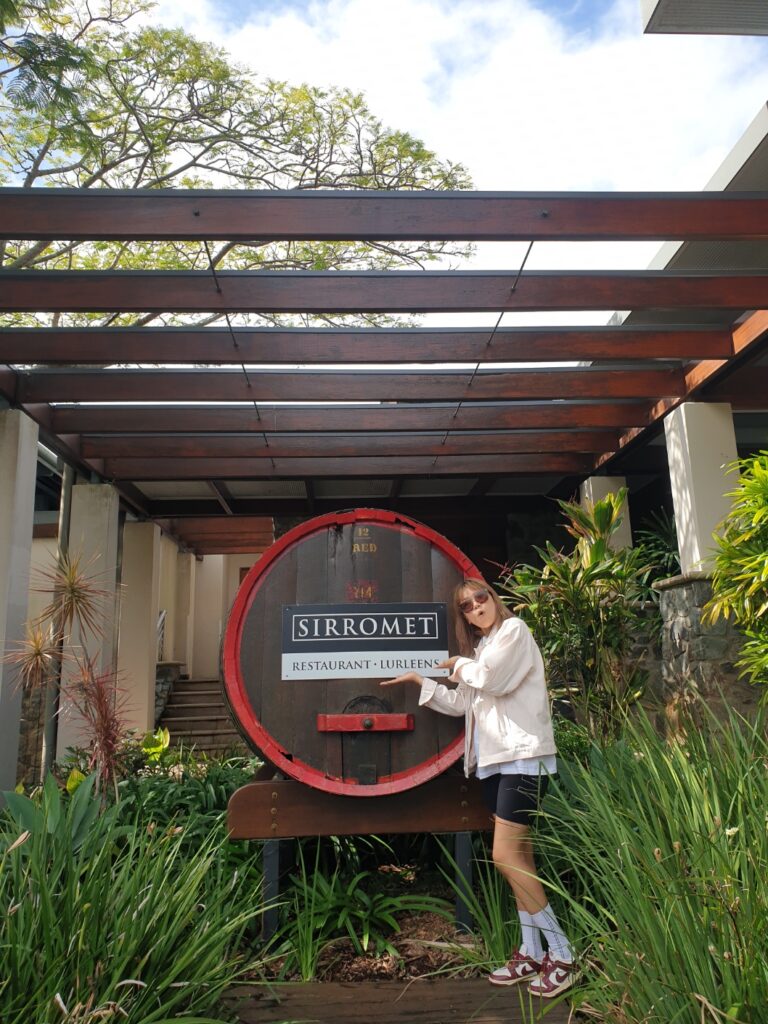
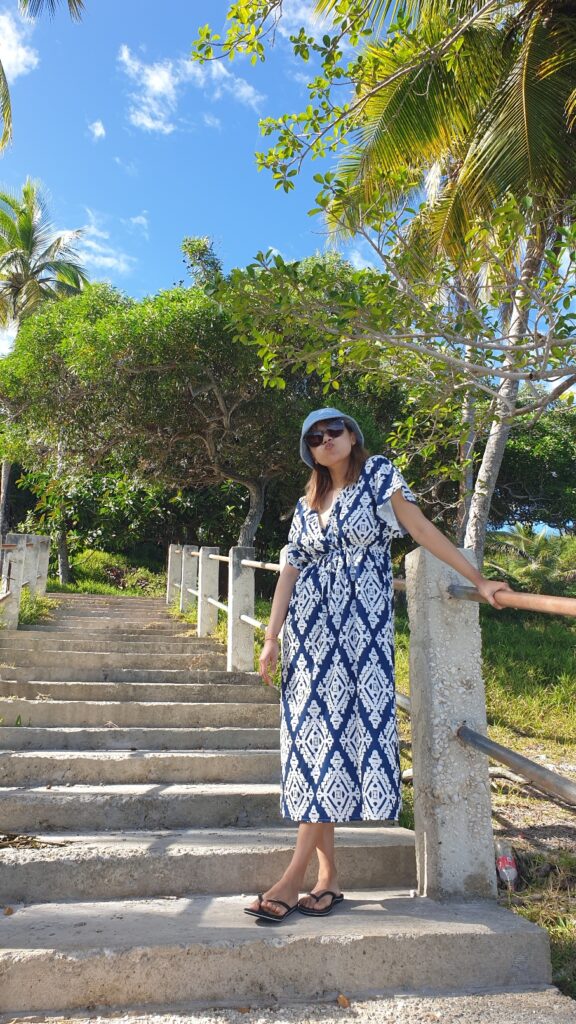
Q. Even then, did you ever feel like going back to Korea? It was hard, but I didn’t want to go back. Strangely, the thought that “I should live here” was stronger. Regardless of the hardships, I felt that life here was a better fit for me.
Q. How did you meet your current spouse? We met on-site. My husband was working in traffic control, and we naturally met while working at the same construction site. Originally, I didn’t feel like I absolutely had to have a wedding. I’ve even mentioned this in a video on my YouTube channel—I thought living well together was more important than a formal ceremony. But when we registered our marriage, my husband suggested making a small memory, so we had a “micro-wedding” at home, which was even smaller than a small wedding.
Q. How did your family react? At first, they worried a lot. They kept telling me to come back to Korea quickly. But now, seeing how well I’m doing here, they cheer me on and even tell me that I’m doing a great job.
Q. Do you have any advice for those preparing for a Working Holiday? I hope you don’t come with money as your only goal. Money is important, of course, but I highly recommend experiencing new things. Travel as much as you can if possible. The experiences you gain through that process are truly invaluable. Living in share houses and meeting diverse people naturally builds a sense of responsibility and teaches you so much. Ultimately, those experiences are what stay with you and return with greater meaning later on.
Q. How are you spending your time these days? I’m continuing my current work, but since my health declined, I’ve started doing Pilates to manage my physical condition. My English isn’t perfect yet, so I take classes about once every two weeks to keep improving. Personally, I’ve also started a YouTube channel. I started it lightly, but as I kept going, I got more ambitious about it. I do care about the views and reactions, but I want to keep going consistently at my own pace without overdoing it.
Q. Is there anything you’d like to say to your parents? I want to tell them that they don’t need to feel sorry for me. I might not be able to live as diligently and faithfully as my father, but I am living my life as hard as I can in my own way. I am truly grateful for everything they taught me that allowed me to live like this. I always respect them, I’m thankful, and I’m proud of them.

