
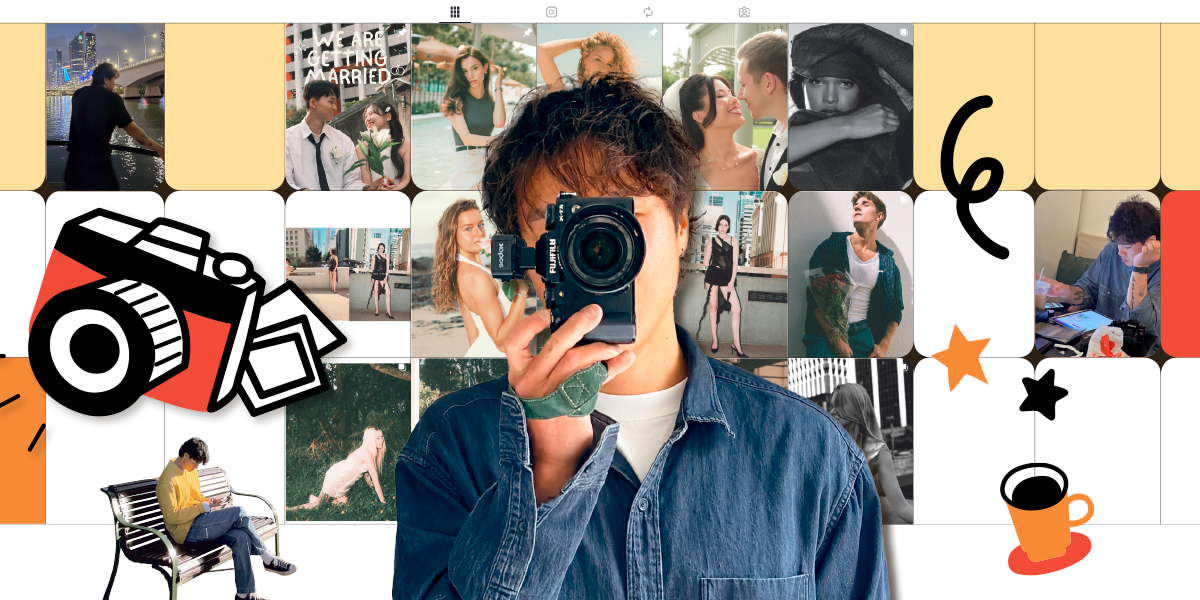
It has already been seven or eight years since Jun-ho Han arrived in Australia. His initial reason for coming wasn’t anything grand. In fact, he honestly describes it as “something close to an escape.” Back in Korea, he was expected to take over the family business, but he felt a burning desire to experience life abroad at least once. He told his parents he’d be back in a year… and seven years have flown by.
“At first, I just loved not having to worry about what others thought.” Looking back on his life in Australia, two themes stand out: “positivity” and “the freedom of not having to live for others’ eyes.” In Korea, he was used to a life of constant comparison, where he was always being measured against someone else. He hated it. In Australia, that pressure felt significantly lighter. He was lucky to meet great people who made his journey even more enjoyable. However, a question eventually began to haunt him: “Is it okay for me to just live for fun like this?” That realization was a turning point.
From Farms and Tattoos to Photography: Finding a Direction Currently, Jun-ho lives in Toowoomba, a regional area, where he works on a farm. He appreciates the flexibility of the environment, which allows him to work when he wants and take breaks when needed. While he works as an “all-rounder” on the farm, his true passion lay elsewhere. Initially, it was tattooing. He wanted to learn so badly that he visited local shops without an appointment, asking to start as an apprentice. Because his English was limited, he was rejected countless times, but he eventually found someone who appreciated his attitude and began teaching him. However, he eventually hit a wall of reality—he realized he lacked the innate talent for tattooing. That’s when he picked up a camera again.
When a Hobby Becomes a Profession Photography had been his hobby since high school. His return to it happened by chance: a Japanese friend was selling a camera, so he bought it and started shooting as a hobby again. Now, he is a professional photographer. He didn’t start by getting paid; he began by doing favors for people, and through word-of-mouth and referrals, it gradually evolved into paid work.
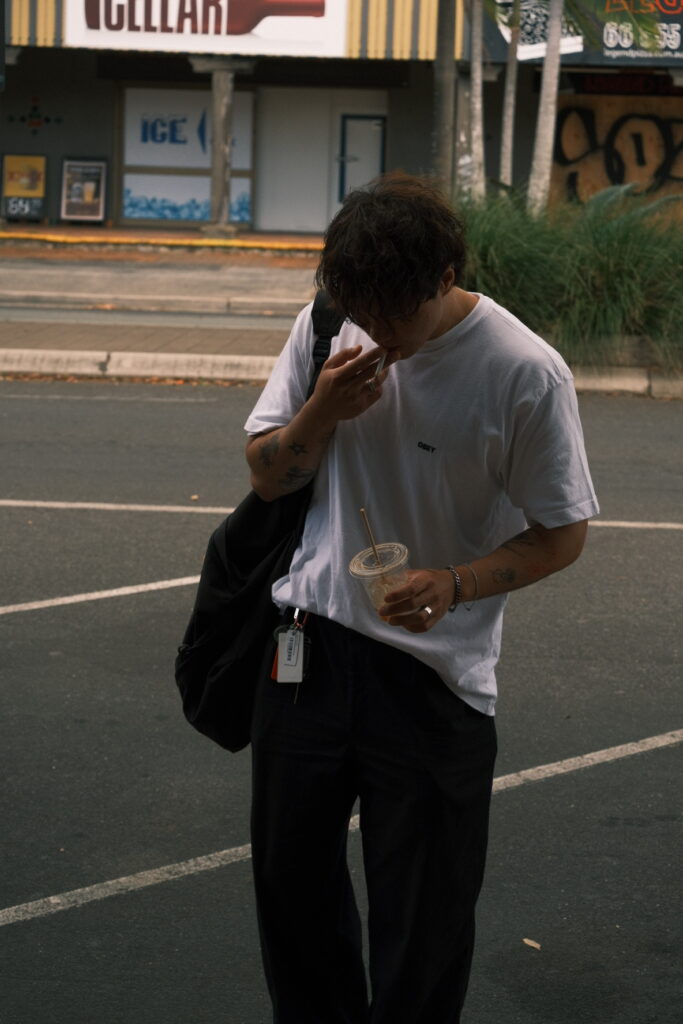
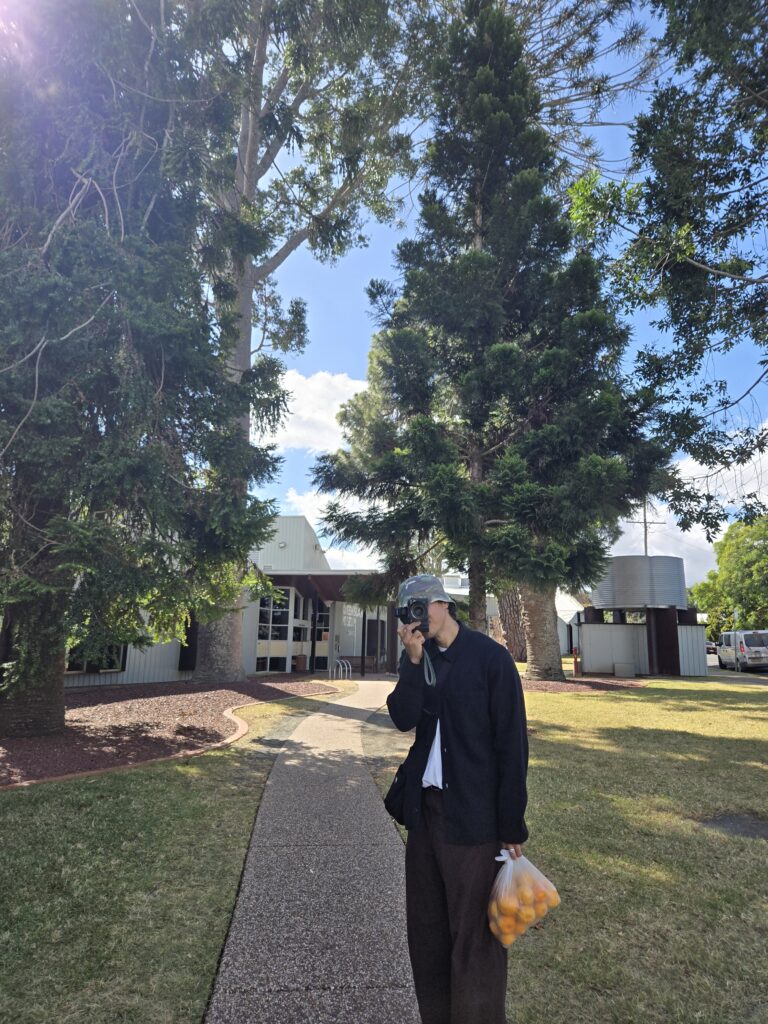
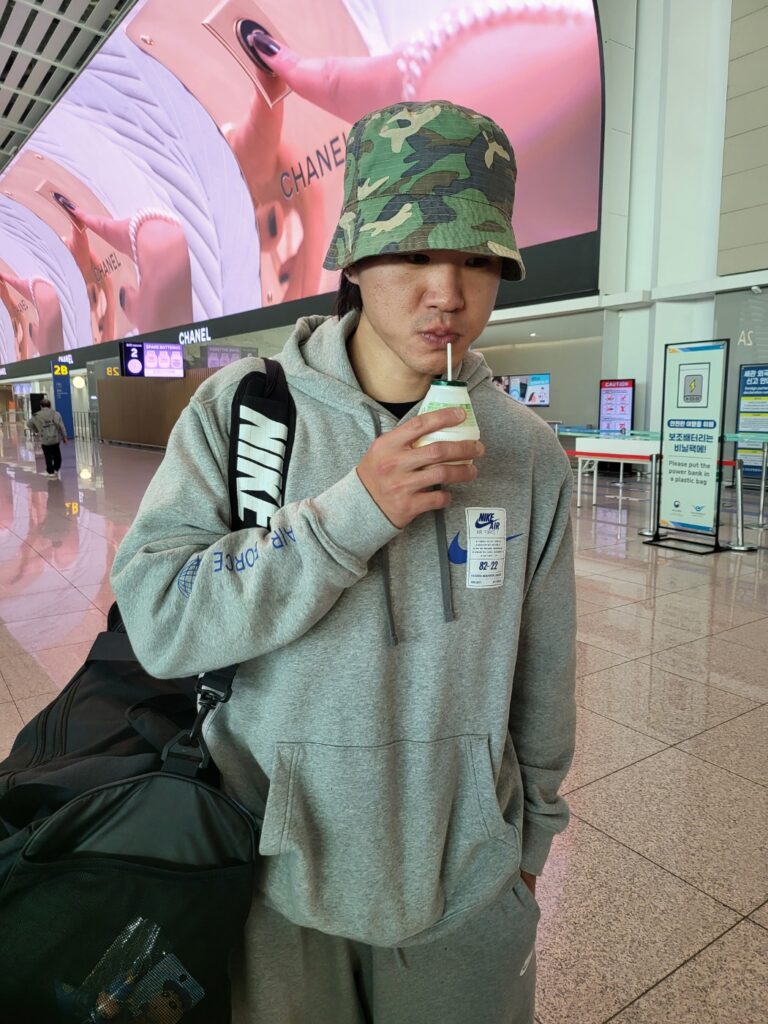
“I was rejected at least 500 times—no exaggeration.” The driving force behind his current opportunities was the simple act of taking action. He constantly sent requests to models for test shoots. “If I exaggerate just a little, I was rejected about 500 times,” he says. Many never replied, and most who did said no. But he didn’t let it get to him; he just kept reaching out. Eventually, one or two people said yes. Once he posted those photos, their acquaintances started contacting him, and opportunities began to snowball. Now, he shoots regularly for a model agency. When he felt insecure about his English or his work, he asked the agency director why they kept hiring him. The director replied, “I love your results, and I love the way you constantly agonize over how to make every shot better.” That meant the world to him.
Confidence Matters More Than Perfect English Even now, Jun-ho says his English isn’t great. When he first arrived, he could only say “Yes” and “No.” He still considers it “broken English” and tells his foreign friends that upfront. However, he believes that while good English is a plus, poor English isn’t necessarily a minus. “I realized that proactivity is far more important than language skills,” he notes. If you’re honest about your English, people are often happy to accommodate you. The most important thing he learned was to “just do it.”
From Free Shoots to Professional Commissions When he first got serious about photography, he did a lot of shoots for free. But considering an hour of shooting, five hours of editing, and travel time, he realized he couldn’t sustain that forever. Still, his advice to aspiring photographers is that an initial “investment of time” is mandatory. You have to invest time rather than money. You need that period to build a portfolio and create opportunities. In Australia, you can’t wait for opportunities; you have to create them yourself. Today, he has reached the stage where he only takes on paid commissions.
“You Have to Stick It Out for at Least Three Years.” Jun-ho believes that whatever you choose to do, you should commit to it for at least three years. For a photographer, the first year is essentially a “branding period”—a time to create the kind of photos you want to take and showcase that direction on social media. Currently, he works seven days a week. He’s not shooting every single day, but he is constantly putting in the effort. One of his greatest motivations is when people who once rejected him reach out to work with him now.
Regional Life Over the Big City Jun-ho chose to live in Toowoomba, away from the city. While he started there because of visa requirements, he plans to stay. After living in a city in Korea for over 20 years, he didn’t want to choose city life again in Australia. He has grown to love the peace—hearing birds in the morning and having people greet him while he goes for a jog.
Apologies and Gratitude to Family The sense of responsibility as the eldest son still weighs on his mind. His father was quite disappointed when he first left for Australia, expecting him to return quickly. It’s already been seven or eight years. He plans to visit Korea for the first time this year. Although he can’t visit often, he wants his parents to know that he is always wishing for their health and happiness.
Short-term Goals His goals for the next year or two are clear. He wants to specialize in photography that people can easily access, such as couples and anniversary shoots. He wants to be known as the “best in the field” for those specific categories.
A Final Word To those preparing for a Working Holiday or a move to Australia, he says: “If you try, anyone can do it. I hope you find just a little more courage and be more proactive. If you keep pushing, the threshold eventually gets lower. Good luck to everyone.”

