
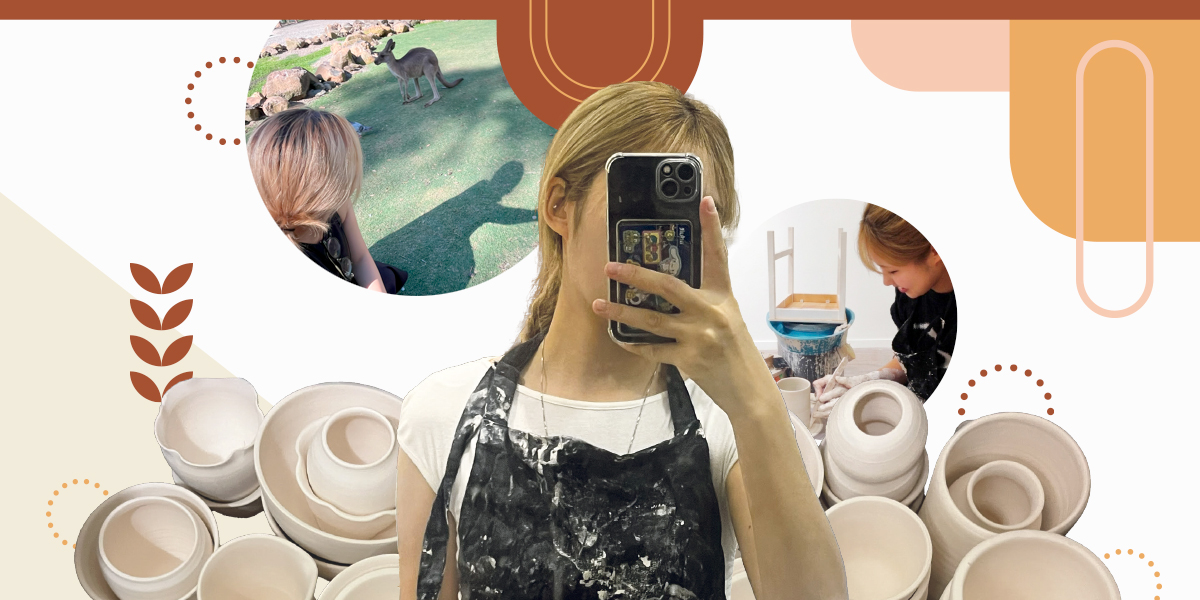
From Working Holiday to a Pottery Studio in Australia
“At first, I just wanted to try living overseas for a while. Now, it feels like I’ve opened an entirely new chapter of my life.”
Born and raised in Busan, South Korea, Jung Ah-hyun (26) had spent her entire life in the same city. After majoring in ceramics and working at a public art museum, an unexpected suggestion from a friend led her to make one of the biggest decisions of her life—to move to Australia on a Working Holiday visa.
Today, she is working at a pottery studio in Brisbane while building a new future for herself.
Q. Please introduce yourself.
Hello, my name is Jung Ah-hyun. I’m 26 years old and currently living in Australia on a student visa.
Back in Korea, I majored in ceramics and, after graduating, worked at an art museum operated by the local government. I’ve always enjoyed making things with my hands. More than drawing, I loved the process of shaping clay and creating something tangible, which naturally led me to study ceramics.
Q. What brought you to Australia?
Honestly, it was a completely unexpected decision.
A close friend I hadn’t seen for a while suddenly said to me, “Why don’t we go to Australia together?” That one sentence became the turning point.
I thought about it seriously and eventually realized that if I didn’t take the opportunity then, I might never have another chance to experience something like it. So I decided to go.
It was quite sudden when I told my parents. Fortunately, my father has always been willing to understand my decisions as long as I could explain my reasoning, and my mother eventually supported me as well. That one decision has shaped everything that’s happened since.
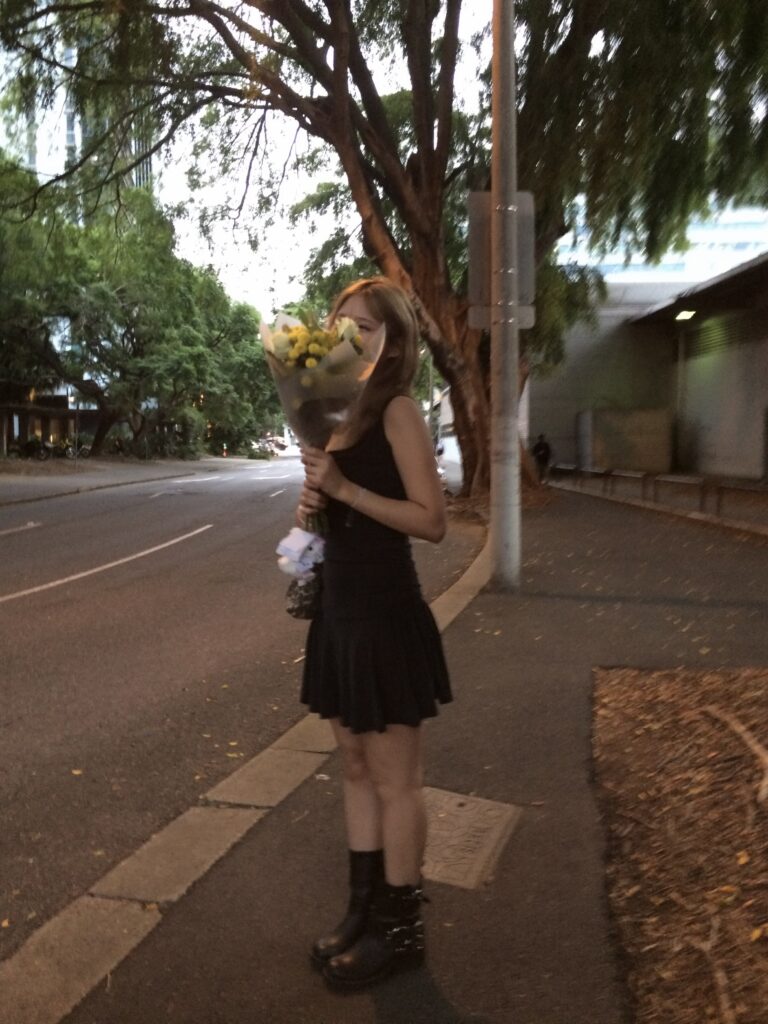
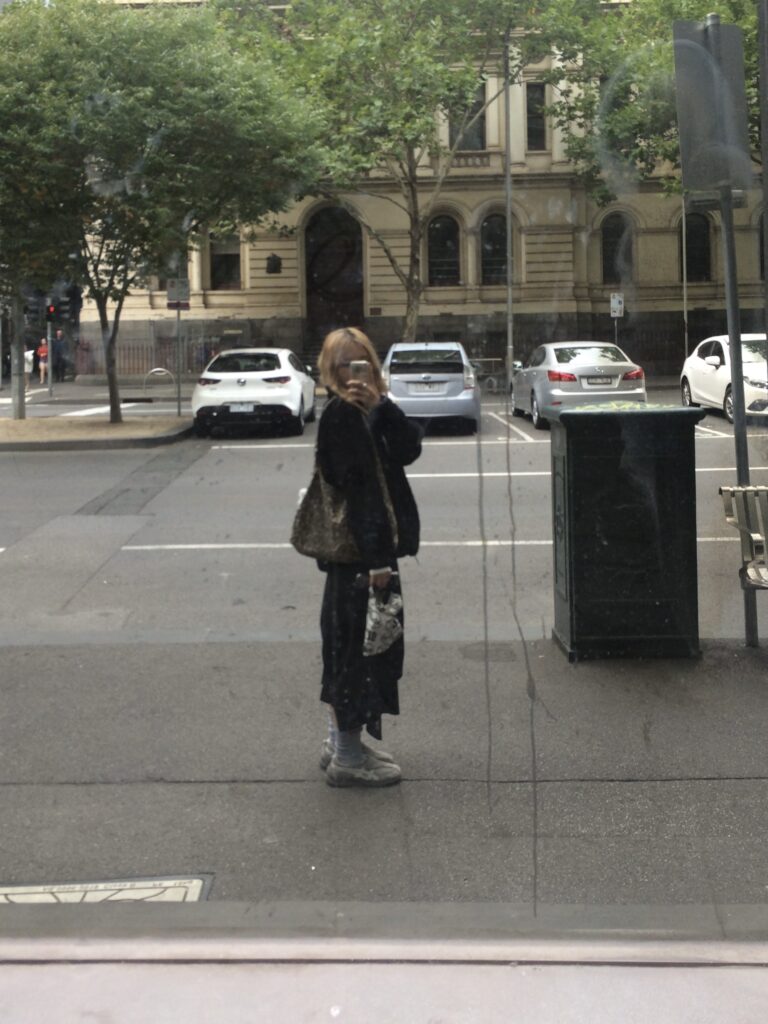
Q. What was life like when you first arrived in Australia?
Like many Working Holiday makers, I first found a job at a Korean restaurant through a Korean community job website.
While I was grateful to have work, I kept thinking how amazing it would be if I could somehow work in ceramics—my field of study—even in Australia.
So I started contacting pottery studios around Brisbane. Even when they weren’t advertising any vacancies, I kept reaching out and applying.
Q. How did you find a job at a pottery studio?
As I mentioned, pottery studios rarely advertise job openings.
I realized waiting for an opportunity wasn’t going to work.
I searched Google using terms like “ceramic studio” and “pottery studio,” then contacted studios one by one. I initially emailed three studios, and surprisingly, all three replied.
Two of them invited me for interviews, and eventually I was offered a position at one of the studios.
At the time, I wasn’t confident it would work out. My mindset was simply, “I’ll keep trying until something happens.”
Q. Tell us about the studio where you’re currently working.
The studio mainly offers one-day pottery workshops where people can experience making their own ceramic pieces.
Besides learning how to shape clay, participants also enjoy painting and simple creative art activities, making pottery fun and approachable for beginners.
At first, I wasn’t teaching classes myself. As time went on, however, I was given opportunities to teach in English, which came with greater responsibility. I’m now preparing and delivering classes in English as well.
More recently, I started sharing pottery-related content from Australia on social media. To my surprise, many Koreans showed interest.
When I mentioned this to the studio owner, they suggested offering pottery wheel classes in Korean. That’s how our Korean-language classes began.
Teaching my own classes has been both exciting and challenging, but it’s incredibly rewarding to know I’m contributing to the studio. Since we’re located in Brisbane’s CBD, I have the opportunity to meet and teach people from many different backgrounds.
Q. What has been the biggest difference you’ve noticed while working in Australia?
The biggest difference has definitely been the workplace culture.
Australians tend to respect each person’s role and responsibilities. Rather than everyone automatically helping each other because someone is busy, responsibilities are generally more clearly defined.
It felt unfamiliar at first, but I’ve grown to appreciate that way of working.
The customers have also been incredibly kind. Even when my English wasn’t perfect, they listened patiently, waited for me, and generously complimented my work. Those experiences gave me a great deal of confidence.
Q. Why did you change from a Working Holiday visa to a student visa?
After my Working Holiday, I realized I wanted to continue living in Australia.
More importantly, I felt this environment suited me well.
In Korea, I often felt pressured to produce results as quickly as possible. In Australia, I’ve been able to take a longer-term approach to both work and life.
Another big difference was how people responded to my work. In Korea, when I told people I studied ceramics, they often asked, “So what are you going to do with that?” Here, the first response is usually, “That’s amazing,” or “That’s really cool.”
That difference meant a lot to me.
Q. Have you always felt ceramics was the right field for you?
Absolutely.
One thing I discovered while studying ceramics is that I’m someone who enjoys the process more than just the final result.
Working with clay, shaping forms with my hands, and watching an idea gradually come to life is incredibly absorbing. The sense of achievement when finishing a piece is also very rewarding.
Compared with drawing, ceramics simply feels much more natural to me.
Q. What are your plans for the future?
I’m currently preparing to begin a Master’s degree in Early Childhood Education.
Part of that decision is related to my long-term goal of obtaining permanent residency, but I’ve also always loved working with children.
Even while doing ceramics, I often thought about how enjoyable it would be to teach pottery to children.
I’d like to continue exploring ways to combine education with ceramics, and in the long run, I’d love to build a ceramics-based education business after obtaining permanent residency.
Q. What does living in Australia mean to you?
It’s been one of the biggest turning points in my life.
Growing up in Busan, I had never really imagined living somewhere completely different. Moving here, meeting new people, and pursuing a different career path has changed me in so many ways.
It truly feels like I’m living the second chapter of my life.
Q. Finally, what would you like to say to people who are considering coming to Australia?
I didn’t come here with a perfect plan.
Looking back, I think the most important thing was simply taking the first step.
I’m naturally a cautious person, but I chose to contact studios, visit them in person, and knock on doors instead of waiting for opportunities to appear.
Through that experience, I learned that opportunities are often more available than we think.
Rather than waiting, I believe it’s far more important to take action.
Follow Jung Ah-hyun’s pottery journey on Instagram:
https://www.instagram.com/zzoe.zip

