
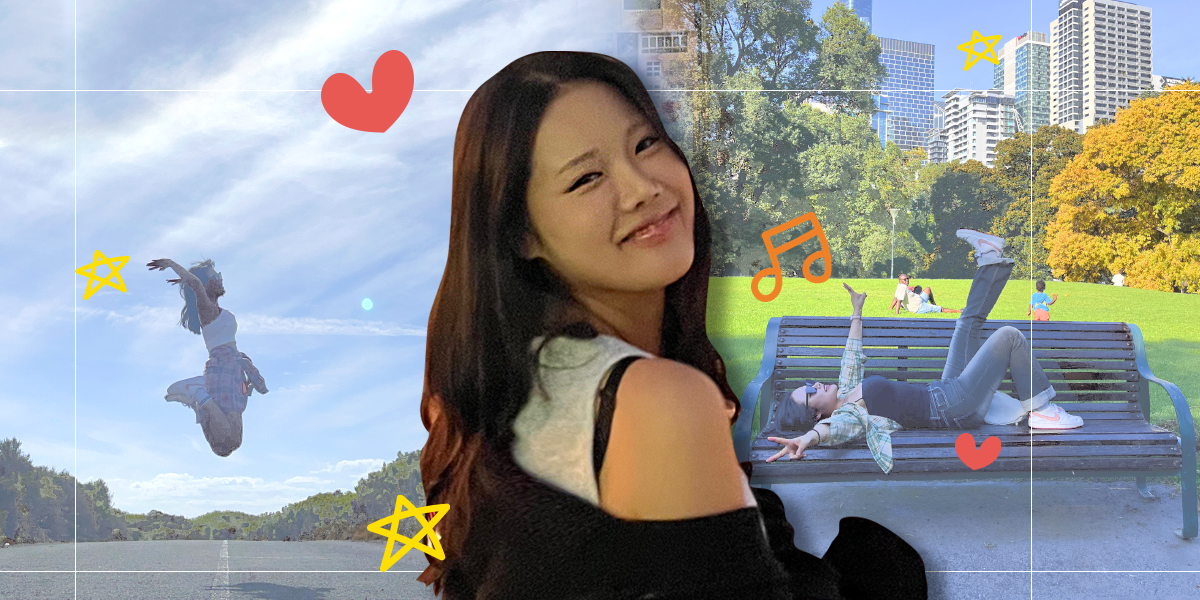
To all the working holiday makers walking the same path as me –
in front of English, experience, money, and new goals.
Hello, my name is Jang Iseul, I’m 24 years old. Back in Korea, I majored in Acting and Performing Arts at university, and I’ve now been living in Australia on a working holiday visa for about five months. At first, I wanted to pursue three goals at once – travel, English, and money – but now I’m in the process of resetting my priorities.
Q. What kind of work did you do in Korea?
A. I really did all sorts of jobs – café work, event staffing, buffet and BBQ restaurant shifts. On top of that, I had been focused on musicals and acting from middle school all the way through university. But at one point I hit the reality of asking myself, “Can I really live off this path for the rest of my life?” That’s when my passion for travel led me to join a travel agency.
Q. How has your experience in Korea influenced your life now?
A. My acting background still helps me a lot. Back then, I worried that acting was the only thing I could do, but here in Australia I’ve even had the chance to teach acting to kids. I realized that I don’t need to be an actress to use my major – I can apply it in many ways.
My time at the travel agency has also been really helpful here. Since I love travel planning, I’ve been keeping a blog, which has even become a small source of extra income.
Q. What’s the most memorable experience from your time at the travel agency?
A. When I was assigned to the Vietnam department, I had the chance to travel there on business several times. I inspected hotels on my own, held meetings with managers, and created package plans. Seeing customers satisfied with the trips I organized was incredibly rewarding.
Q. What’s the greatest asset you’ve gained from studying musicals?
A. Expressiveness and confidence. Thanks to my stage experience, I’m less afraid of speaking in front of people. Even when studying English, I practice shadowing – repeating actors’ lines as if I were performing – and it’s been a huge help.
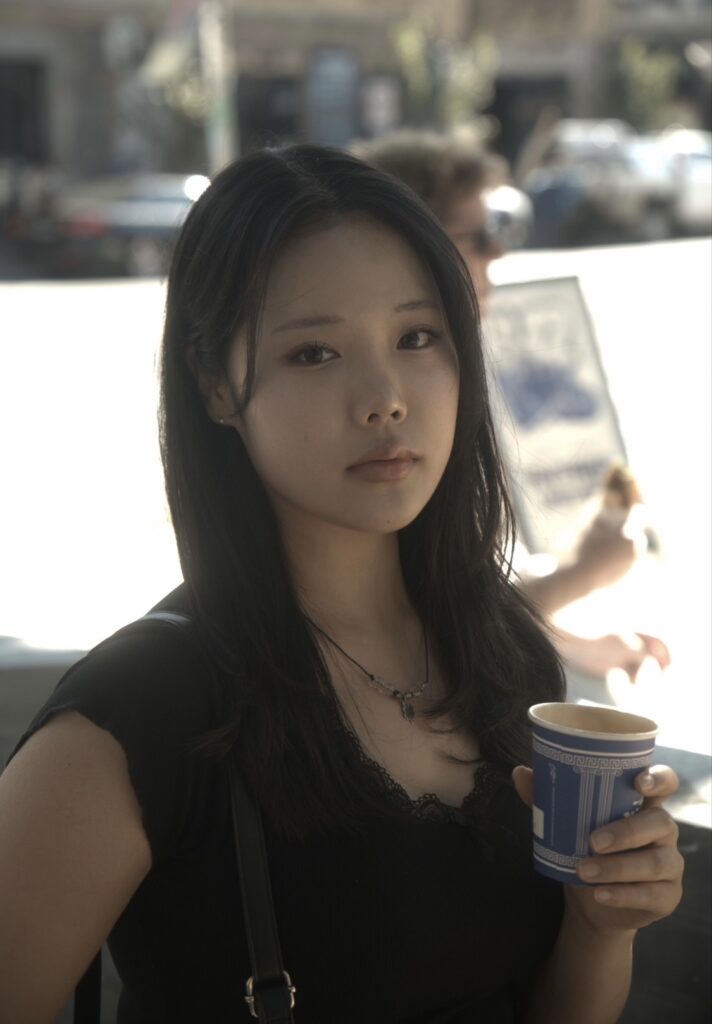
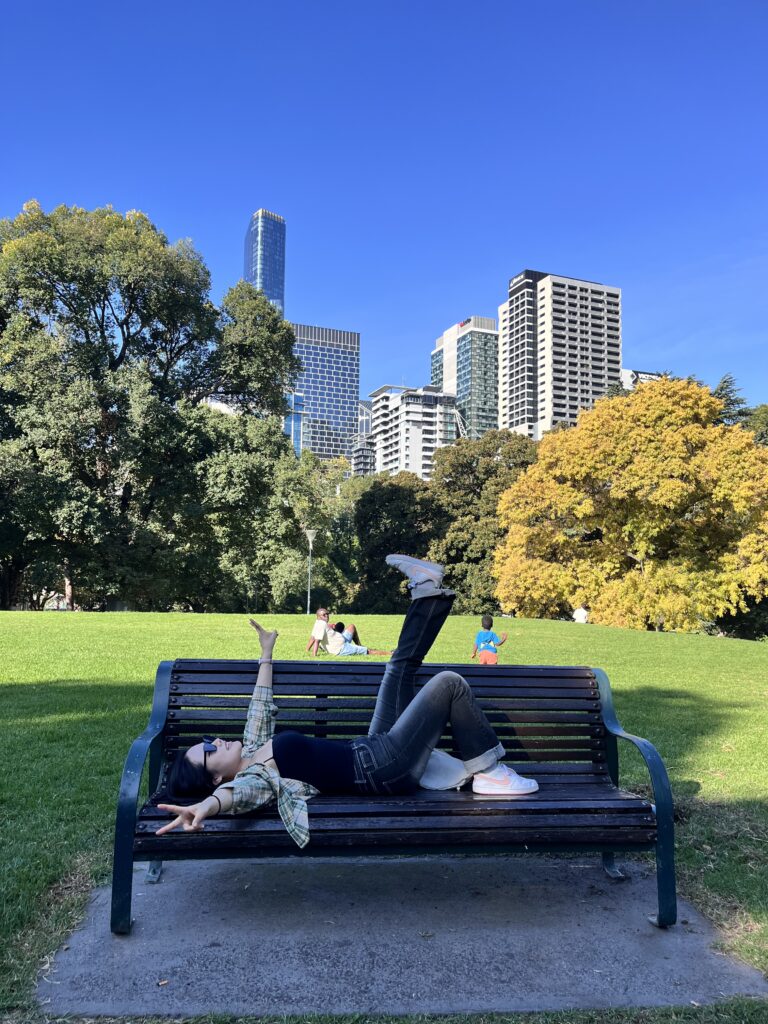
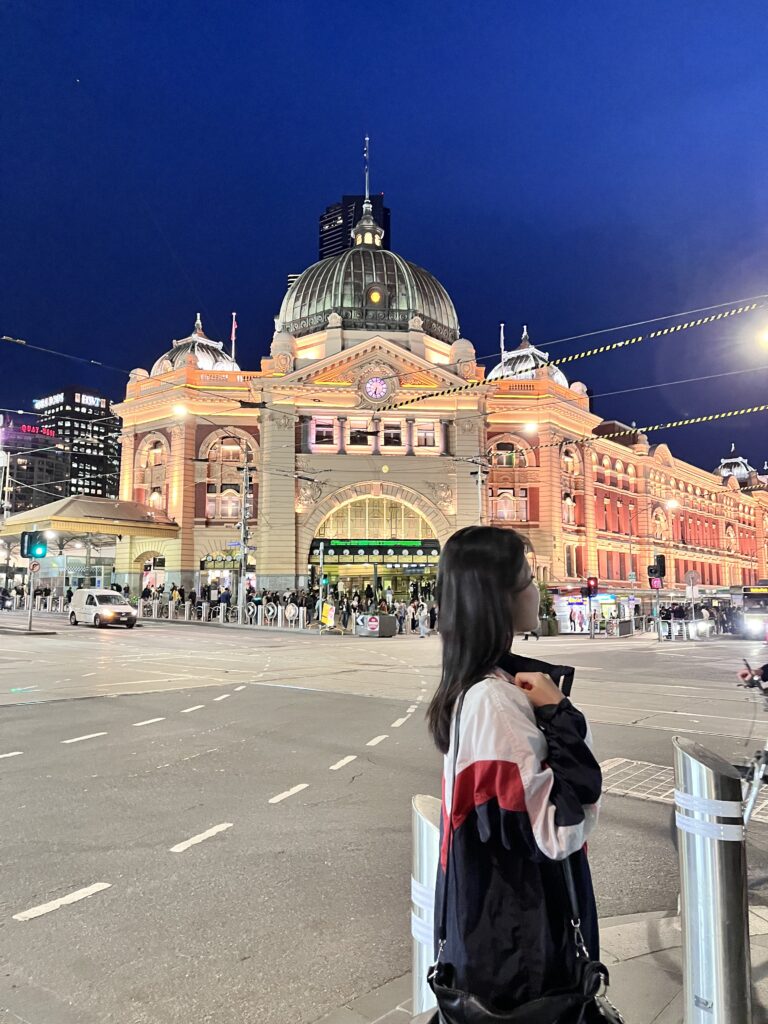
Q. What kind of work are you doing in Australia now?
A. I’m working at a café and a Korean restaurant, while also running my blog on the side.
Q. What differences have you noticed compared to working in Korea?
A. Cultural differences are the biggest. In Australia, small talk is so natural—it was awkward at first, but now I see it as positive. On the other hand, relationships here feel less deep compared to the warm, close bonds we build in Korea.
When I first arrived in Melbourne, I also realized for the first time how unsafe the streets at night can feel. Once, near the Yarra River, a stranger approached me with a knife, and that really made me appreciate how safe Korea actually is.
Q. What was the hardest moment of your working holiday so far?
A. Definitely when I first arrived in Melbourne. I didn’t have much money, so I needed to find work quickly, but I couldn’t get a job for a whole month. I finally landed a barista job, but my English wasn’t good enough, and I got fired on the very first day. I had passed the interview with enthusiasm, but reality was different. That was when I truly realized how essential English is.
Q. What’s your main goal for your working holiday?
A. At first, I wanted to balance English, experience, and money all together. But now I’m focusing more on English. Every day I shadow Netflix dramas, and I often join Meetup events at the library to practice speaking with locals. Using the phrases I learn right away is helping me build confidence.
Q. What’s been the hardest part of studying English, and when have you felt most accomplished?
A. Listening is the hardest part – native speakers talk so fast, it’s hard to keep up. But when someone understands a phrase I’ve practiced and used, I feel a small but real sense of achievement. I think many other working holiday makers can relate.
Q. What are your future plans or dreams?
A. Nothing is set in stone yet, but I’m considering switching to a student visa to study English more deeply. In the long run, I’d love to get professional work overseas – whether as a flight attendant, in hospitality, or in international business. I want to challenge myself in different fields.
Q. How do you spend your free time?
A. I like hanging out with my roommates, but I also enjoy spending time alone. I go walking or jogging around Brisbane Botanic Gardens or South Bank, which feels really healing. Since starting jogging, I’ve discovered how much joy I can get from exercise. I also spend time updating my blog and reflecting on my experiences.
Q. In what ways do you feel you’ve grown the most while living abroad?
A. In Korea, I used to feel stressed by appearance-based standards, but here in Australia I’ve learned to accept myself as I am. Living among diverse people taught me that what matters is your presence, not your looks. That really helped restore my self-esteem. Exercise and running also helped me overcome stress.
Q. What advice would you give to others preparing for a working holiday or studying abroad?
A. I’d say, “Your mindset determines the quality of your working holiday.” At first, I planned everything in detail, but when things didn’t go as expected, I got very stressed. Having a plan is important, but ultimately, working holidays are about challenges – so it’s more important to be ready to face things head-on.
There were times when I wanted to give up and go back to Korea, but my parents reminded me to think about why I started this journey in the first place. That helped me stay strong.
I’m sure many others are struggling with similar worries. I’m still figuring out how to face these challenges more wisely. I hope we can all keep moving forward together with strength.

