

From Working Holiday to Optometrist – An Interview with Jaehee Kim
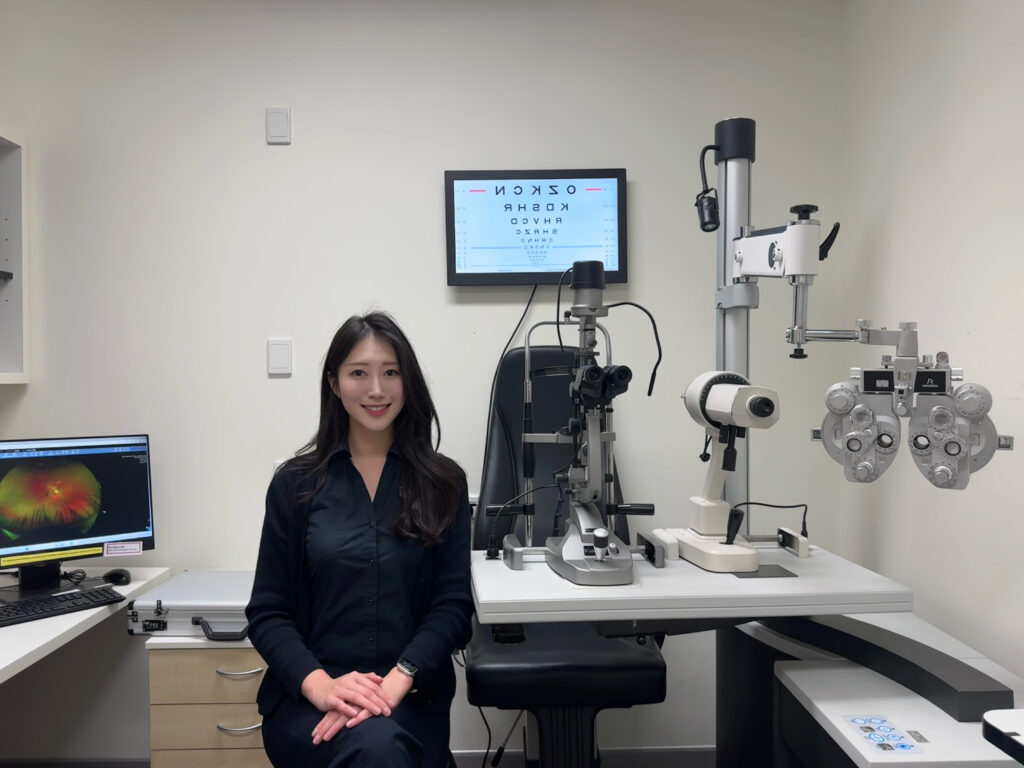
At the age of 19, Jaehee Kim left for Australia on a working holiday visa. Her first step was life as an au pair in Newcastle, a coastal city north of Sydney. While adapting to English and a new culture, she gained diverse work experiences and gradually nurtured a strong desire to “build a life in Australia.” Later, she moved to Queensland to study nursing, but soon realized she wanted a profession where she could make more independent judgments and diagnoses. This led her to switch her major to optometry. Despite fierce competition, she successfully gained admission with consistent grades and strong professor recommendations, and even earned recognition as an outstanding student while balancing academics and extracurricular activities. Today, she also runs a Korean community called Dream Mate, where she helps international students and working holiday makers.
Q. What made you come to Australia at such a young age—just 19?
A. Since childhood, I dreamed of becoming a flight attendant for an international airline. I wanted to travel the world and experience different cultures firsthand. I also had a big dream of going backpacking abroad, but my parents were very concerned about me traveling alone. As a compromise, we decided on the working holiday option. Australia stood out because the visa process was relatively easy and there were plenty of opportunities for young people.
Q. Where was your first destination?
A. Newcastle, north of Sydney. I had already arranged an au pair job in Korea, and the assigned family lived there. Honestly, I didn’t even know where Newcastle was at the time, but when I arrived, I was blown away by the ocean and the relaxed lifestyle. That first impression has stayed with me ever since.
Q. How was your working holiday experience?
A. For the first six months, I worked as an au pair, spending my days immersed in English. My language skills were almost nonexistent then, but I pushed myself to watch dramas and listen to music only in English, and little by little, I improved. Later, I worked in a tile shop, restaurants, and other places, meeting people and learning more about Australian culture. Through these experiences, I realized with certainty, “Yes, I want to keep living here.”
Q. What made you move to Queensland?
A. School. Griffith University offered me a program where I could graduate in just two and a half years, and I saw it as a great opportunity. That’s why I moved to Queensland. At first, I studied nursing.
Q. Why did you change your major from nursing to optometry?
A. Nursing is stable and advantageous for permanent residency, but during clinical training, I realized what I truly wanted was to make more independent decisions and diagnoses. Optometrists don’t just check vision—they assess overall eye health, detect eye diseases early, and recommend treatment pathways. Like GPs (General Practitioners), they play a key role in primary healthcare, and that aspect really attracted me.
Q. What was the admission process for optometry like?
A. It wasn’t easy. In Queensland, only one university—QUT—offers the program, and the number of places is small, making it very competitive. Fortunately, I had excelled in my nursing studies and was selected as an outstanding student, which helped me secure strong recommendation letters from professors. My consistent academic performance played a big role in my admission. This process showed me that Australia truly is a country where, if you demonstrate determination and preparation, opportunities will open for you.
Q. What was the most important factor in your studies?
A. Time management. I broke down my schedule into very detailed blocks and even studied two hours a day on the train. I lived with the mindset of “not wasting a single moment,” and that discipline helped me become a top-performing student in optometry school. My English also improved significantly.
Q. When was the hardest time for you?
A. During the early working holiday days. I worked 60 hours a week just to save tuition money. I wasn’t quite a student and not just a traveler either, which left me feeling uncertain about my identity and future. Seeing my friends in Korea follow stable career paths also made me anxious. But I held onto the belief that “I can do this,” and every time I hit a wall, I grew stronger.
Q. How do you spend your free time?
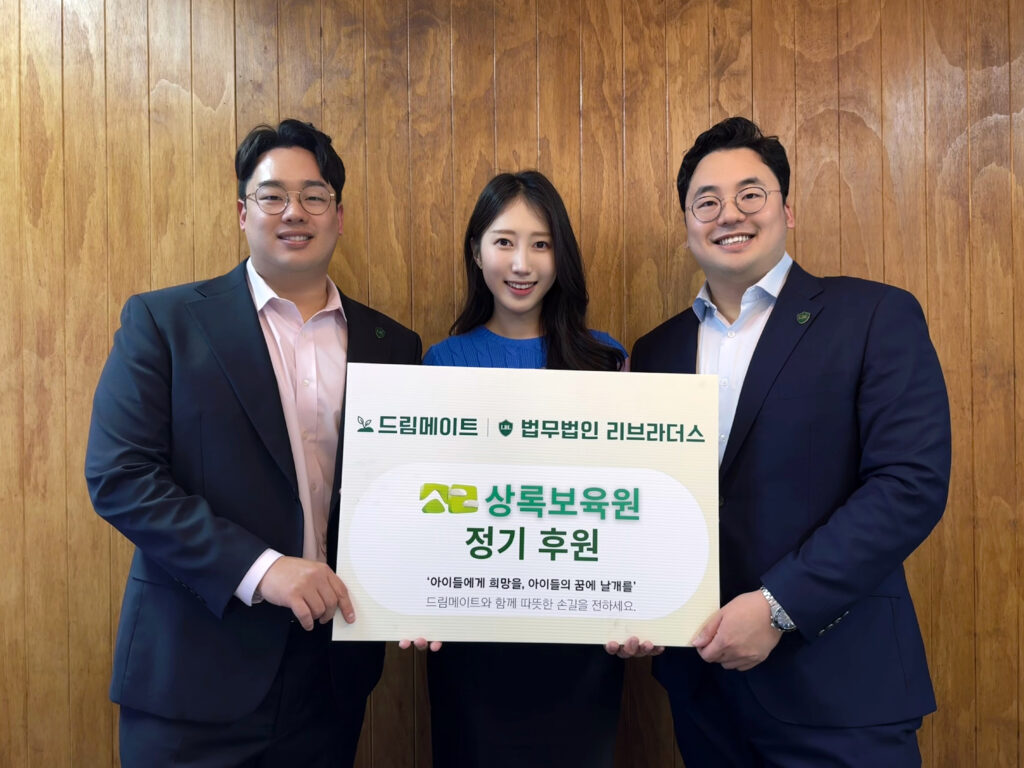
A. I run a Korean community called Dream Mate. We organize free English classes, dance classes, running clubs, legal advice sessions, and resume clinics. The goal is to create more than just a social group—a space for learning and supporting each other. All membership fees and donations go to helping people in need. In May, we even made our first donation to an orphanage in Korea.
When I first came on a working holiday and as a student, I struggled a lot due to lack of information. That’s why I started this community—to support newcomers. Thankfully, many people have resonated with the idea and joined in, which has given me strength as well. I want to continue expanding Dream Mate and spreading positive influence.
Q. Is there any activity in Australia that stands out most in your memory?
A. Being part of the K-pop dance team Queendom. Performing at local festivals and events gave me wonderful memories of sharing joy and building connections. It was more than just a hobby—it was a meaningful experience of promoting Korean culture.
Q. What are your future plans?
A. Starting next year, I’ll officially begin working as an optometrist. I hope to establish myself as a professional while continuing to impact others positively through Dream Mate. Personally, I’m also preparing for marriage with my boyfriend of seven years. We met when I was still a student, grew together, and now he and his brother run a law firm called Lee Brothers Legal (LBL). They’ve earned great trust from the community. Although we spend less time together now, I deeply respect his attitude toward life. When he sets a goal, he always follows through, and he has a remarkable ability to overcome crises. I gain a lot of strength from his example.
Q. Lastly, what advice would you give to those considering a challenge in Australia?
A. I believe success is 80% mindset and effort, and 20% luck. Mindset sets the direction, and that direction drives your actions. If you truly believe you can do it and turn that belief into action, the path will open. The most important thing is not to lose your positive outlook and to keep moving consistently in that direction.
If you’d like to learn more about Jaehee Kim’s journey, you can visit her YouTube channel: Allie_Kim www.youtube.com/@jaeheeeee_k.

