
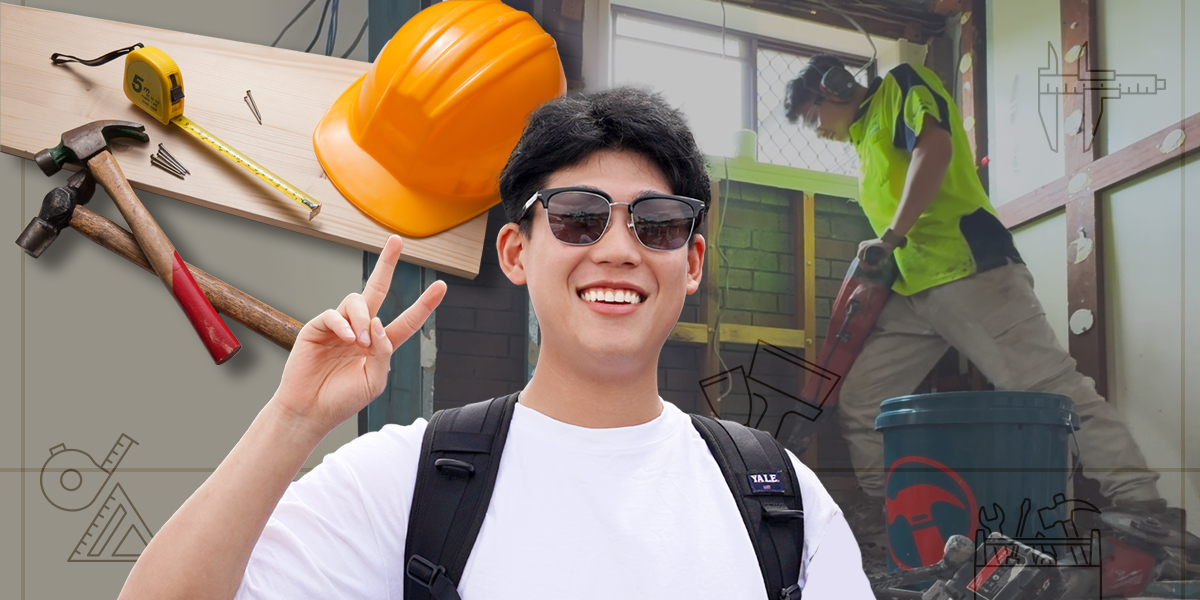
– Challenges Make Me Grow
Q. Please introduce yourself briefly.
Hello, my name is Suho Cho. I completed my Certificate III & IV in Carpentry, and I’m currently working as a carpenter at a renovation company.
Q. What kind of work did you do in Korea, and how did you get into carpentry?
At 23, I started a sign-making business, handling both design and installation myself. Later, I joined a carpentry team at an interior company, which got me into the construction field. At university, I studied Furniture & Interior Design.
Through interior work I gained diverse experience, and I became convinced that hard work would lead to good results. I also traveled across South and Central America for a year, learning languages and cultures, which broadened my perspective.
After returning to Korea, I started an Airbnb business where I personally managed renovations and planning. The positive feedback from guests gave me confidence—“I can really do this myself.” Those experiences became the foundation of who I am today.
Q. What brought you to Australia?
During my travels in South America, I met someone from Australia who told me that carpenters are respected there and have plenty of opportunities. After returning to Korea, I confirmed through an education fair that carpentry was linked to skilled migration, and I decided to take the challenge.
I wrapped up my Airbnb business, saved tuition money by working as a designated driver, and came to Australia. Having run a business and traveled the world, I already had confidence, and I also felt that Australia’s natural environment and calm lifestyle suited me well.
Q. How was studying and working in Australia different from Korea?
I first studied on the Sunshine Coast. English was difficult, but the hands-on training helped me keep up. Teachers were very supportive, and since asking questions was natural in class, I never felt uncomfortable seeking help.
On job sites, the difference was even bigger. In Korea, construction work is often looked down upon and called “nogada” (hard labor). But in Australia, carpenters and other trades are respected, considered skilled professions, and paid fairly. I also found it refreshing that wearing work clothes in restaurants or shopping centers doesn’t feel out of place at all.
Q. What kind of work are you doing now?
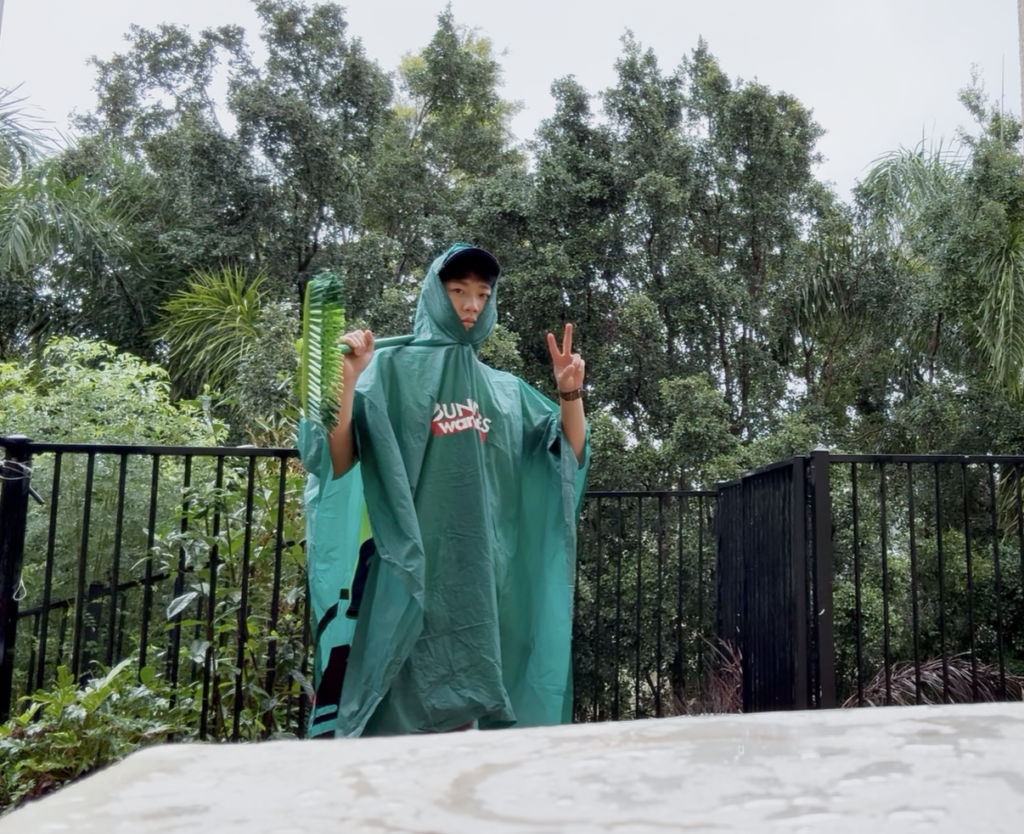
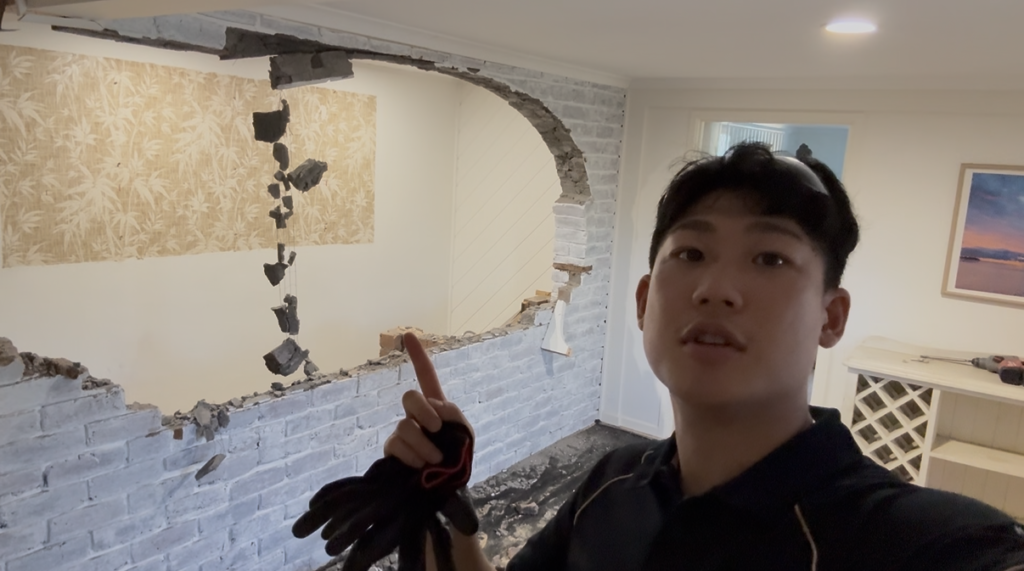
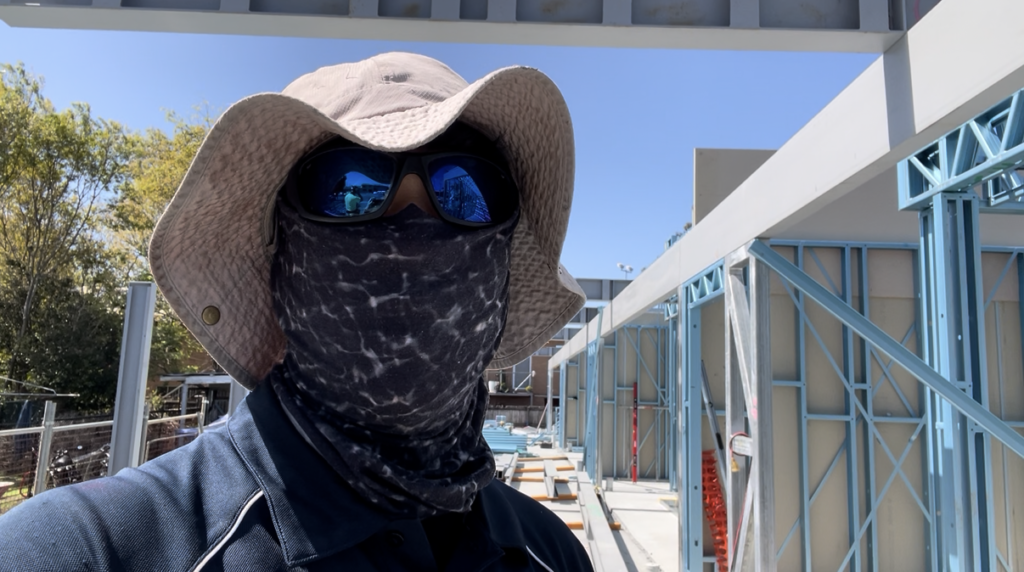
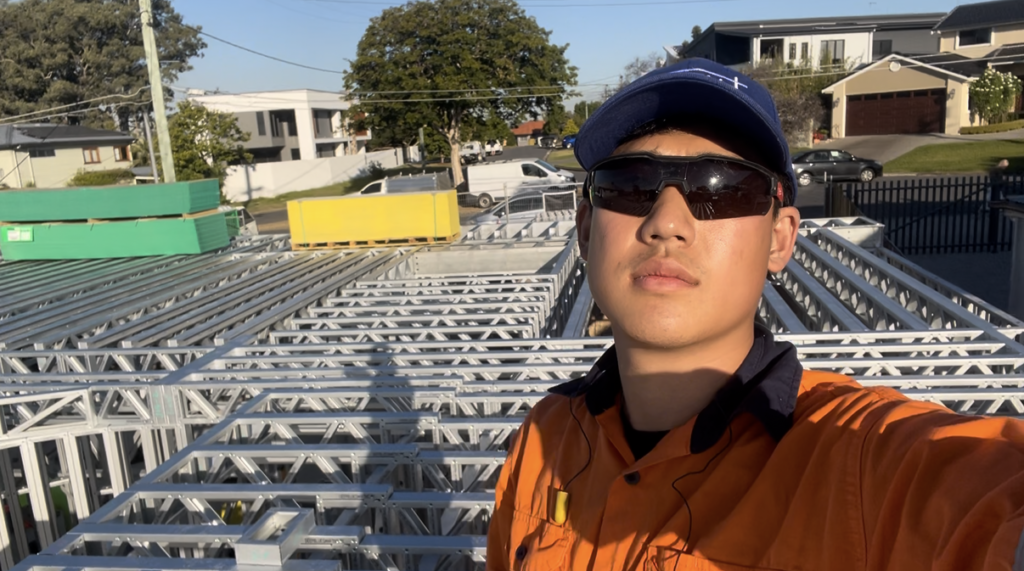
I first worked with a new-build company constructing houses, and now I’m at a renovation company doing extensions, granny flats, and kitchen/bathroom remodels. On weekends I also take handyman jobs, so I keep busy.
Investing in tools and learning new skills wasn’t easy, but as I gained experience, I could take on more responsibility and felt a strong sense of accomplishment. Of course, construction work is physically tough and sometimes dangerous.
Q. Do you have any memorable episodes from your work?
Demolition during renovations often brings surprises. Once, behind a wall, I found several dead possums, a big rat carcass, snake skins, even bat remains. The smell was terrible. After that, whenever I see a wall, I can’t help but think, “What might be hiding in there?”
Q. Any advice for those dreaming of becoming a carpenter?
Carpentry courses usually take two years, either at TAFE or private colleges, and on-site experience is essential. Physical strength and determination are needed, but above all, English is crucial. Because construction work can be dangerous, poor communication makes it hard to work effectively in a team.
From a visa perspective, carpentry is an advantageous trade. With study, work, and sufficient English scores, permanent residency is very possible. But balancing work and English preparation is tough, so I recommend focusing on language skills as early as possible.
Q. What are your future goals?
I got married this February, so my top priority is to take care of my family while growing as a skilled tradesman.
I also run a woodworking YouTube channel, “수호세요_rusooho”, which I plan to resume soon. I want to share useful information with people interested in carpentry and construction. When I was preparing to study here, I struggled due to a lack of information, so I hope my channel can help others while documenting my own growth.
유튜브채널명: 수호세요_rusooho www.youtube.com/@rusooho
As a Christian, one of my dreams is to build meaningful structures such as churches, schools, or hospitals. I want my work to go beyond earning money and become something that truly benefits people.
Q. What real challenges have you faced?
Construction in Australia offers great opportunities, but as a working holiday maker or student, you often start with only basic labor jobs. It’s hard to endure—the work can be dangerous, tools are expensive, and wages are low until you build skills. Physical strain is also constant, with small injuries becoming part of everyday life.
But after graduating and gaining 2–3 years of experience, you can become a competitive tradesperson. The hardest part is enduring and growing through those early years.
Q. What’s the biggest lesson you’ve learned from living in Australia?
It may sound contradictory, but I like the fact that I’m a foreigner here. Living as an outsider constantly makes me ask myself: “Why am I living here? What do I really love to do?”
Being a foreigner also taught me that my own standards and judgments are not the absolute truth. Experiencing Australian culture and attitudes has changed and expanded the way I think. I realized that what I believed to be “the only right way” in life might not be the case, and that there can be many answers. This broadened perspective is one of my biggest gains.
Q. How would you summarize your vision in one phrase?
“Challenges make me grow.”
Running a business at a young age, traveling the world, getting married, studying abroad, working in carpentry—all of these weren’t easy, but they made me stronger. From here on, I want to become a tradesman who contributes to society through meaningful construction.

